7 May 2026
France Proposes Landmark Reform in AI and Copyright Litigation
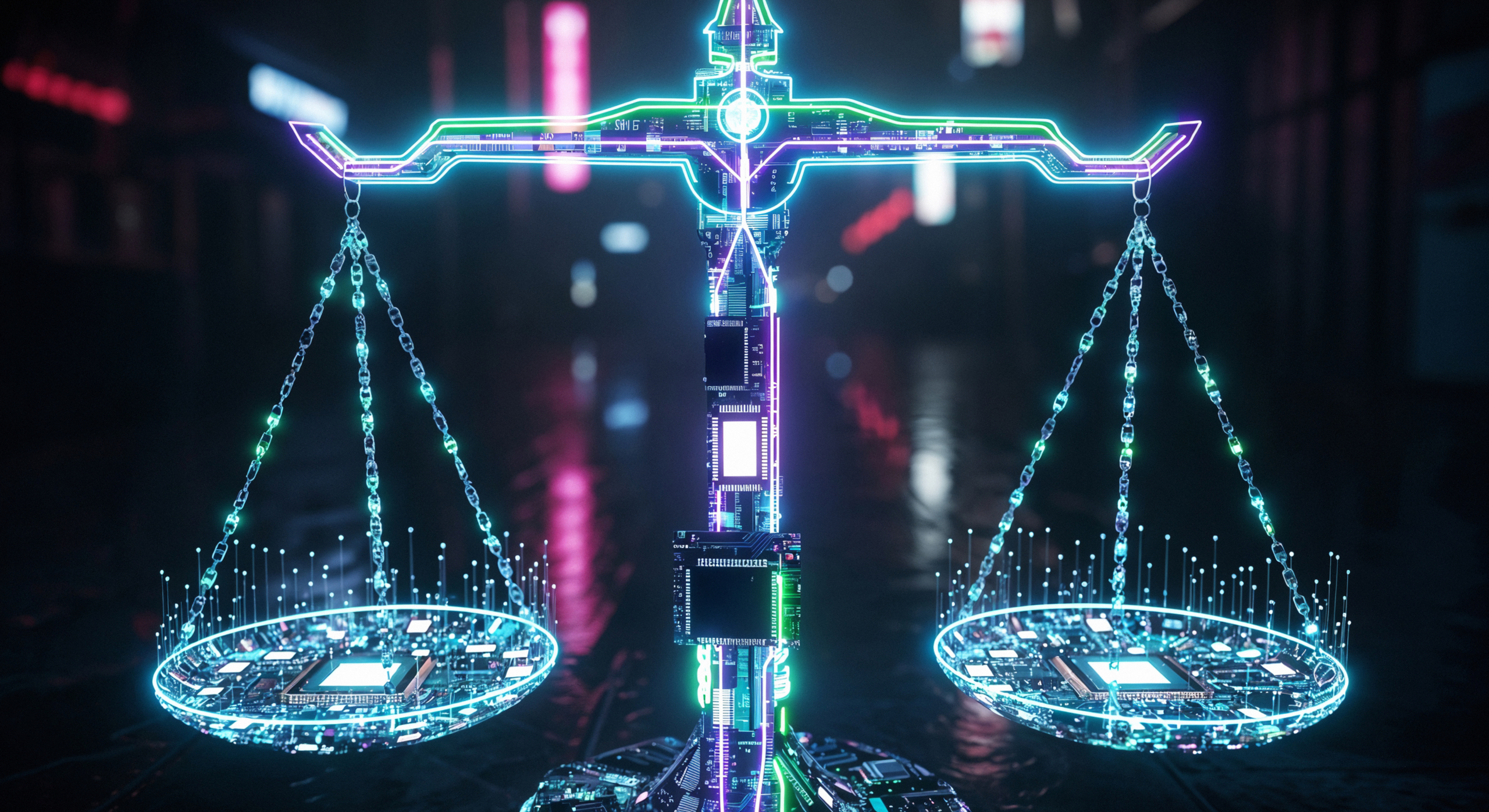
France may soon become one of the first European jurisdictions to significantly reshape the way copyright disputes involving artificial intelligence systems are handled.
Amendments to French intellectual property legislation, recently unanimously approved by the Senate, introduce a rebuttable presumption that operators of artificial intelligence systems have used copyrighted works and related rights-protected content for AI training purposes. The proposal is now awaiting adoption by the National Assembly, which is expected in the coming months.
What makes this proposal particularly significant is the shift in the burden of proof in copyright infringement proceedings. Until now, authors, publishers, music labels, and other right holders were generally required to prove that their protected content had been used without authorization, despite having little or no access to training datasets, internal AI development processes, or technical documentation related to AI models.
The French legislator is now attempting to address precisely this issue. Where there are indications that a specific AI system has been trained on protected content, the burden of proof could shift to AI operators, who would then be required to demonstrate either that the work was not used or that its use was lawful.
A New Phase in the Relationship Between AI and Copyright
The proposal comes at a time when AI companies worldwide are facing an increasing number of lawsuits concerning the alleged use of books, music, photographs, news articles, and other copyrighted works for the training of generative AI systems.
The French initiative also reflects a broader European trend toward increasing transparency and accountability in the use of copyrighted content for AI training, as recently emphasized by the European Parliament in its recommendations concerning generative AI and copyright protection.
One of the central issues in these disputes is transparency — namely, whether right holders can realistically determine if their content has been used in AI training datasets. For that reason, the French proposal may have implications well beyond national legislation, potentially influencing future standards of evidence and transparency in AI-related copyright disputes across Europe.
If adopted, this approach could also affect broader European regulatory developments, particularly in light of the European Union’s growing focus on transparency obligations for AI systems and the implementation of the AI regulatory framework.
What Does This Mean for Businesses?
For companies developing or using AI systems, the origin and legality of training data are becoming not only technological issues, but also major legal and business concerns.
This development is likely to:
- increase the importance of licensing arrangements for training data,
- require more detailed records regarding the sources of datasets,
- create additional regulatory and reputational risks,
- and contribute to a growing number of disputes involving intellectual property and artificial intelligence.
At the same time, businesses integrating generative AI into their operations will need to assess more carefully the legal risks associated with AI-generated or AI-assisted content.
Majstorović & Partners provides legal support to companies in matters relating to intellectual property, copyright and related rights protection, artificial intelligence regulation, and compliance with evolving European legal frameworks governing digital technologies and AI systems.
For further information or legal advice regarding the use of artificial intelligence, intellectual property protection, and regulatory obligations in the digital environment, you may contact our team.
This publication is provided for general information purposes only and does not constitute legal advice or a legal opinion with respect to any specific matter. Legal advice should be obtained based on the circumstances of each case.